How To Properly Maintain a BMW E36
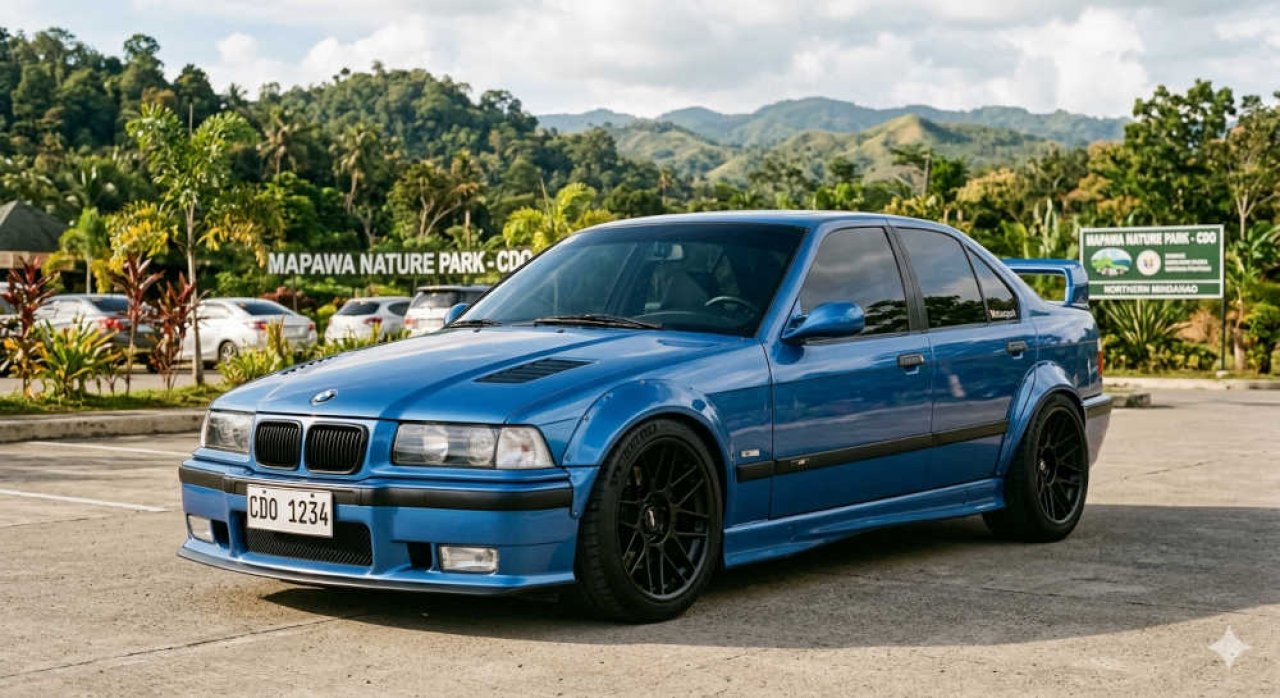
Whether you own a fuel-efficient four-cylinder commuter or a roaring six-cylinder sport sedan, keeping an E36 reliable requires moving away from reactive repairs and embracing strict preventative maintenance. Because these cars are now classic European hardware, a tailored approach based on your specific engine and transmission layout is essential.
The Universal Achilles' Heel: The Cooling System
Before diving into specific configurations, every E36 owner must respect the factory cooling system. BMW famously used plastic water pump impellers, plastic thermostat housings, and brittle radiator necks.
-
The Rule: Regardless of your engine, completely overhaul the cooling system every 60,000 to 75,000 miles. Replace the water pump with a metal-impeller upgrade, swap in an aluminum thermostat housing, and install fresh hoses. If an E36 needle moves past the center mark toward the red line, pull over immediately—warped cylinder heads happen in seconds.
Four-Cylinder (M42/M44) vs. Six-Cylinder (M50/M52/S50)
The Four-Cylinders (316i, 318i, 318is)
The 4-pot motors are highly durable, but they have unique pain points. The M42 and M44 engines rely on a timing chain that is generally robust, but the plastic timing chain guides degrade over time. Listen closely for a plastic "rattling" or "marbles-in-a-can" sound at idle; a failed guide can drop plastic debris into the oil pan and starve the engine. Additionally, inspect the "Profile Gasket" (the seal between the upper and lower timing cases) for oil leaks, as well as the vacuum lines hidden under the intake manifold, which are prone to dry-rotting and causing rough idles.
The Six-Cylinders (320i, 323i, 325i, 328i, M3)
The legendary inline-six engines are incredibly smooth but demand meticulous top-end care.
-
VANOS System: The variable valve timing system (VANOS) uses rubber seals that harden over time. If your 6-cylinder suffers from a loss of low-end power, a jerky power band, or a distinct rattle around 2,000 RPM, it is time to rebuild the VANOS unit with upgraded Viton seals.
-
Oil Upkeep: These larger engines are highly sensitive to oil sludge. Change your oil every 5,000 miles using a high-quality 5W-40 fully synthetic oil. Keep a sharp eye on the valve cover gasket and the oil filter housing gasket—both are notorious leak points that can drip oil directly onto hot exhaust components or ruin the alternator.
Transmission Care: Manual vs. Automatic
The Five-Speed Manual (Getrag / ZF)
The manual gearboxes are nearly bulletproof but require occasional attention to maintain their crisp shift feel. Swap the transmission fluid every 50,000 miles using a high-performance manual transmission fluid (like Red Line MTL). If your shifter feels loose or sloppy, replace the shift linkage bushings. If the shifter gets stuck leaning toward the 5th-gear gate when cold, you need to replace the internal shift detent pins—a common E36 quirk.
The Four/Five-Speed Automatic (GM / ZF)
BMW claimed these automatic transmissions had "lifetime fluid," but that is a myth that destroys gearboxes. If you want your automatic to live, change the transmission fluid and filter every 60,000 miles. Crucial Warning: If the transmission has never been serviced and has over 150,000 miles on it, do not perform a high-pressure machine flush, as this can dislodge clutch debris and cause slipping. Instead, perform a simple drain-and-fill procedure to gently refresh the fluid chemistry.
The Golden Rule
By treating your cooling system as a consumable item, matching your fluid intervals to your transmission type, and staying ahead of oil leaks, your E36 will easily reward you with hundreds of thousands of miles of analog driving bliss.