The Ultimate Owner Type Jeep (OTJ) Rat Rod Build
Building a Custom Rat Rod Owner-Type Jeep (OTJ): A Step-by-Step Guide
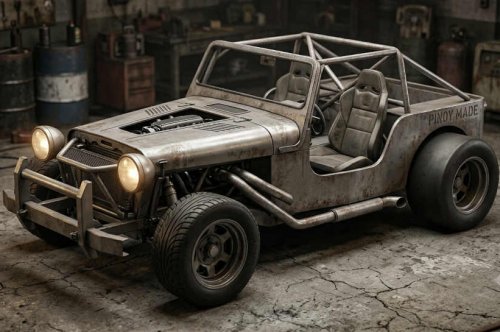
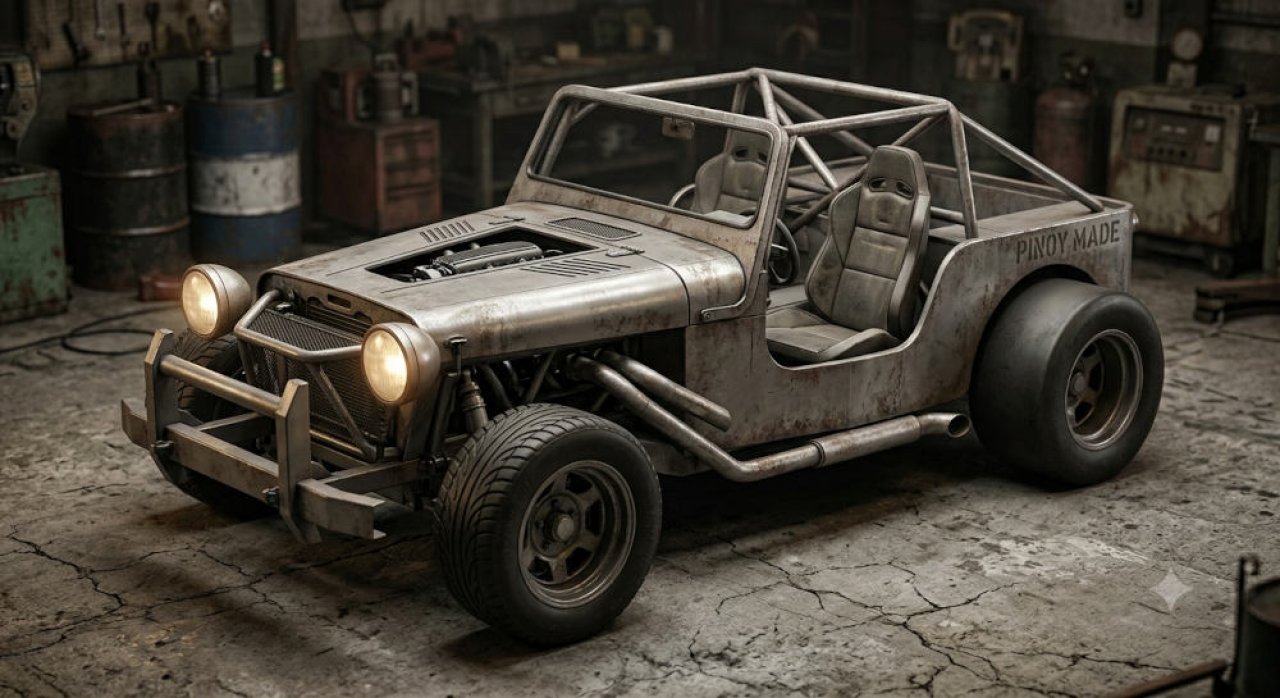
The Owner-Type Jeep (OTJ) is an icon of Philippine automotive culture, traditionally known for its utilitarian design, folded metal panels, and frugal Japanese powertrains. Fusing this local classic with American rat rod culture creates an aggressive, head-turning machine: low-slung, wider than stock, structurally raw, and unapologetically loud.
Here is how to conceptualize and construct a custom Rat Rod OTJ.
Step 1: Chassis Blueprint and Stance
A traditional OTJ chassis is too tall and narrow for a rat rod build. Achieving that low-slung look requires custom chassis fabrication or heavy modifications to an existing ladder frame.
-
Z-Framing & Channeling: "Z-box" the front and rear of the ladder frame to drop the center section flat to the floor. Channel the stainless steel body over the frame rails so it sits lower than the top of the chassis.
-
Axle Extension & Wide Track: Extend the wheel track by using wider custom axles or custom-built tubular arms. To match the visual silhouette, the wheels must stick significantly outward past the body.
Step 2: Engine Selection and Mounting
A rat rod needs a powerplant that commands attention, both visually and audibly.
-
Engine Choices: While classic OTJs run a Toyota 4K or 4AGE, a rat rod demands higher drama. A turbocharged inline-4, a rev-happy 1UZ-FE V8, or a tuned Nissan SR20 with top-mounted manifolds are popular choices.
-
Exposed Bay Design: Eliminate the inner fender wells. Chop the front hood panel to expose the engine block, custom intake manifolds, and high-mounted turbochargers.
-
Custom Exhaust: Route side-exit exhausts or straight pipes directly behind the front wheels, wrapping around the side steps for maximum audio and visual impact.
Step 3: Raw Stainless Steel Bodywork
The hallmark of a Filipino OTJ is its sheet metal bodywork. For a rat rod aesthetic, lean into raw materials and industrial textures.
-
Metal & Surface Finish: Use unpainted 304 stainless steel or galvanized iron sheets. Embrace raw MIG/TIG weld seams, riveted joints, and subtle surface patinas.
-
Chop and Section: Section 2 to 4 inches out of the body height to flatten the proportions. Keep the classic Willys-inspired front grille, but widen the outer housing to frame round, dark-housed LED halo headlights.
Step 4: Safety & Interior Architecture
Because rat rods feature high performance and open cockpits, structural rigidity is paramount.
-
Integrated Roll Cage: Weld a 6-point tubular steel roll cage directly into the frame rails. The cage doubles as the structural spine of the vehicle, stiffening the open tub.
-
Minimalist Cockpit: Install lightweight aluminum or leather-trimmed race bucket seats mounted as low as possible. Keep the dashboard completely minimal: exposed toggle switches, mechanical oil/water gauges, a simple dish steering wheel, and a tall, exposed shifter mechanism.
Step 5: Suspension, Wheels & Brakes
-
Rolling Stock: Run wide, sticky radial tires on front custom steelies, and massive rear slicks or wide-profile tires on deep-dish wheels to nail the aggressive rake.
-
Braking Power: Upgrade to four-wheel disc brakes with a dual-reservoir master cylinder to ensure adequate stopping power for the custom chassis setup.